You are hereBlogs / WcP.Watchful.Eye's blog / A greenhouse gas 17000 times more potent than CO2: NF3 gas used in making flat panel TVs, computer displays, microcircuits
A greenhouse gas 17000 times more potent than CO2: NF3 gas used in making flat panel TVs, computer displays, microcircuits
(quote)
A gas used in manufacture of flat panel televisions, computer displays, microcircuits, and thin-film solar panels is 17,000 times more potent a greenhouse gas than carbon dioxide, and it is four times more prevalent in the atmosphere than previously estimated, according to a study released Thursday. Researchers using a new NASA-funded measurement network discovered there was 4,200 metric tons of the gas nitrogen trifluoride in the atmosphere in 2006, not 1,200 tons as previously estimated for that year.
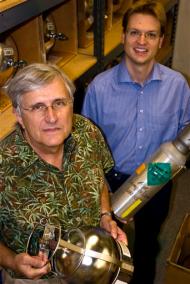
In 2008 there are 5,400 metric tons of the gas in the atmosphere, an average of an 11 percent tonnage increase per year, said Ray Weiss, head of the research team from the Scripps Institution of Oceanography in La Jolla, California. Nitrogen trifluoride, which could not be detected in the atmosphere using previous techniques, is 17,000 times more potent as a global warming agent than a similar mass of CO2. The rate of increase means that about 16 percent of the amount of the gas produced globally is being emitted into the atmosphere, the researchers estimate.
Emissions of nitrogen trifluoride, which is one of several gases used during the manufacture of liquid crystal flat-panel TV displays and electronic microcircuits, were previously considered so low that the gas was not thought to be a significant potential contributor to global warming. As such the gas was not covered by the Kyoto Protocol, the 1997 agreement to reduce greenhouse gas emissions signed by 182 countries, but not by some industrialized nations including the United States.
The study, published in the October 31 edition of the American Geophysical Union's Geophysical Research Letters, notes that together with the gas being more potent than CO2 at trapping solar heat within the atmosphere, it also survives in the atmosphere around five times longer than CO2. At present, however, current nitrogen trifluoride emissions contribute only around 0.15 percent of the total global warming effect caused by human-produced CO2 emissions.
The researchers found concentrations of NF3 rose from about 0.02 parts per trillion in 1978 to 0.454 parts per trillion in 2008. Higher concentrations of NF3 were found in the Northern Hemisphere than in the Southern Hemisphere, which the researchers said is consistent with its greater use in Northern Hemisphere countries. "This result reinforces the critical importance of basic research in determining the overall impact of the information technology industry on global climate change, which has already been estimated to be equal to that of the aviation industry," said Larry Smarr, director of the California Institute for Telecommunications at University of California, San Diego, who was not involved in the Scripps study.
(unquote)
Photos courtesy of AFP and AP Photo/Scripps Institute, Robert Monroe
Original Source: AFP and Environment News Service


Contact Us

RSS feed


Wonderful information, thanks a lot for sharing kind of information. Your website gives the best and the most interesting information. Thanks a ton once again, Regards, Steam Cleaning Company in Dubai
Great information from this blog and I have to tell you, your website giving the best and awesome information. And I would like to thanks for this information that I had been looking. Regardshttps://www.deccanservicesdubai.com/steam-cleaning-company-dubai/"> Steam Cleaning Company in Dubai
The result of the study is alarming and an eye opener to the hazards of climate change induced as a result of the greenhouse gases. Surely the information technology sector needs to come up with an alternative way of manufacturing which is sustainable so that the amounts of emissions produced are less.
Nice information providing by your article and I would really like to thank for your article it’s really helpful. Regards