You are hereBlogs / WcP.Watchful.Eye's blog / "SOS Amazon": every second we lose 1.5 acres of rainforests once covering 14% of earth land surface, now a mere 6%
"SOS Amazon": every second we lose 1.5 acres of rainforests once covering 14% of earth land surface, now a mere 6%

(quote)
The Disappearing Rainforests
We are losing Earth's greatest biological treasures just as we are beginning to appreciate their true value. Rainforests once covered 14% of the earth's land surface; now they cover a mere 6% and experts estimate that the last remaining rainforests could be consumed in less than 40 years.

* One and one-half acres of rainforest are lost every second with tragic consequences for both developing and industrial countries.
* Rainforests are being destroyed because the value of rainforest land is perceived as only the value of its timber by short-sighted governments, multi-national logging companies, and land owners.
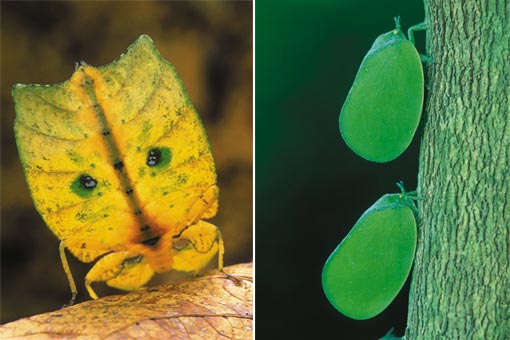
* Nearly half of the world's species of plants, animals and microorganisms will be destroyed or severely threatened over the next quarter century due to rainforest deforestation.
* Experts estimates that we are losing 137 plant, animal and insect species every single day due to rainforest deforestation. That equates to 50,000 species a year. As the rainforest species disappear, so do many possible cures for life-threatening diseases. Currently, 121 prescription drugs sold worldwide come from plant-derived sources. While 25% of Western pharmaceuticals are derived from rainforest ingredients, less that 1% of these tropical trees and plants have been tested by scientists.

* Most rainforests are cleared by chainsaws, bulldozers and fires for its timber value and then are followed by farming and ranching operations, even by world giants like Mitsubishi Corporation, Georgia Pacific, Texaco and Unocal.
* There were an estimated ten million Indians living in the Amazonian Rainforest five centuries ago. Today there are less than 200,000.

* In Brazil alone, European colonists have destroyed more than 90 indigenous tribes since the 1900's. With them have gone centuries of accumulated knowledge of the medicinal value of rainforest species. As their homelands continue to be destroyed by deforestation, rainforest peoples are also disappearing.
* Most medicine men and shamans remaining in the Rainforests today are 70 years old or more. Each time a rainforest medicine man dies, it is as if a library has burned down.
* When a medicine man dies without passing his arts on to the next generation, the tribe and the world loses thousands of years of irreplaceable knowledge about medicinal plants.

The Wealth of the Rainforests
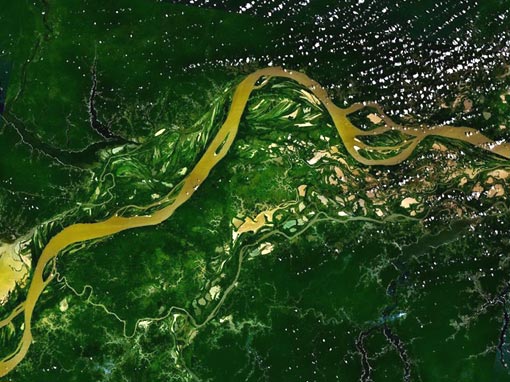
* The Amazon Rainforest covers over a billion acres, encompassing areas in Brazil, Venezuela, Colombia and the Eastern Andean region of Ecuador and Peru. If Amazonia were a country, it would be the ninth largest in the world.
* The Amazon Rainforest has been described as the "Lungs of our Planet" because it provides the essential environmental world service of continuously recycling carbon dioxide into oxygen. More than 20 percent of the world oxygen is produced in the Amazon Rainforest.

* More than half of the world's estimated 10 million species of plants, animals and insects live in the tropical rainforests. One-fifth of the world's fresh water is in the Amazon Basin.
* One hectare (2.47 acres) may contain over 750 types of trees and 1500 species of higher plants.

* At least 80% of the developed world's diet originated in the tropical rainforest. Its bountiful gifts to the world include fruits like avocados, coconuts, figs, oranges, lemons, grapefruit, bananas, guavas, pineapples, mangos and tomatoes; vegetables including corn, potatoes, rice, winter squash and yams; spices like black pepper, cayenne, chocolate, cinnamon, cloves, ginger, sugar cane, tumeric, coffee and vanilla and nuts including Brazil nuts and cashews.
* At least 3000 fruits are found in the rainforests; of these only 200 are now in use in the Western World. The Indians of the rainforest use over 2,000.

* Rainforest plants are rich in secondary metabolites, particularly alkaloids. Biochemists believe alkaloids protect plants from disease and insect attacks. Many alkaloids from higher plants have proven to be of medicinal value and benefit.
* Currently, 121 prescription drugs currently sold worldwide come from plant-derived sources. And while 25% of Western pharmaceuticals are derived from rainforest ingredients, less than 1% of these tropical trees and plants have been tested by scientists.

* The U.S. National Cancer Institute has identified 3000 plants that are active against cancer cells. 70% of these plants are found in the rainforest. Twenty-five percent of the active ingredients in today's cancer-fighting drugs come from organisms found only in the rainforest.
* Vincristine, extracted from the rainforest plant, periwinkle, is one of the world's most powerful anticancer drugs. It has dramatically increased the survival rate for acute childhood leukemia since its discovery.
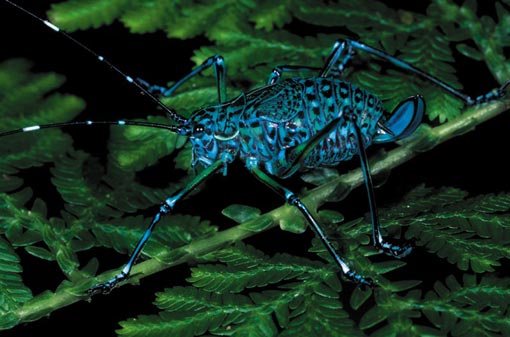
* In 1983, there were no U.S. pharmaceutical manufacturers involved in research programs to discover new drugs or cures from plants. Today, over 100 pharmaceutical companies and several branches of the US government, including giants like Merck and The National Cancer Institute, are engaged in plant research projects for possible drugs and cures for viruses, infections, cancer, and even AIDS.
Rainforest Action

* Experts agree that by leaving the rainforests intact and harvesting it's many nuts, fruits, oil-producing plants, and medicinal plants, the rainforest has more economic value than if they were cut down to make grazing land for cattle or for timber.
* The latest statistics show that rainforest land converted to cattle operations yields the land owner $60 per acre and if timber is harvested, the land is worth $400 per acre. However, if these renewable and sustainable resources are harvested, the land will yield the land owner $2,400 per acre.
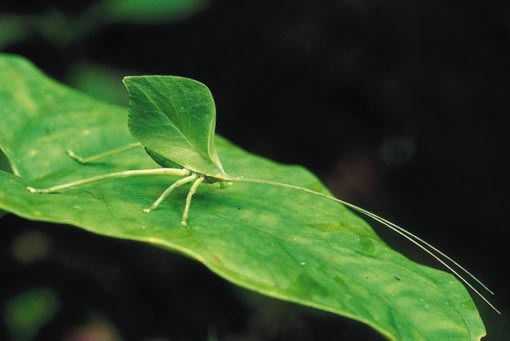
* If managed properly, the rainforest can provide the world's need for these natural resources on a perpetual basis.
* Promoting the use of these sustainable and renewable sources could stop the destruction of the rainforests. By creating a new source of income harvesting the medicinal plants, fruits nuts, oil and other sustainable resources, the rainforests is be more valuable alive than cut and burned.

* Sufficient demand of sustainable and ecologically harvested rainforest products is necessary for preservation efforts to succeed. Purchasing sustainable rainforest products can effect positive change by creating a market for these products while supporting the native people's economy and provides the economic solution and alternative to cutting the forest just for the value of its timber.
(unquote)
Photos courtesy of www.amazonwatch.org, Thomas Marent, impactlab.com, wikipedia, and Sipa Press/Rex Features
Original Source: Rainforest facts, The Guardian, and cn.dk.com


Contact Us

RSS feed



Your have a mature thoughts that reflects in your article.
All n all article is good but try to make it short if possible.
Please treat each other well. Everybody has difficulties that we have to overcome, do not know later but how to live each day happily.
A very impressive article. I think you have a lot of knowledge about life
https://hotmailentrarno.com/webmail">webmail
Hello, just wanted to say, I loved this article. It was practical.
https://getontop.games">Get On Top
This article is really fantastic and thanks for sharing the valuable post.
I read this article. I think You put a lot of effort to create this article. I appreciate your work.
I can feel that the articles contained in this blog is so interesting. I also get a variety informasin, thanks.
If there are many sad stories, share it with the people you trust. Sharing helps people get closer together and you also relieve some of that sadness.
http://cryptofeed.online/eos">EOS Price Prediction
Your topic is very great and useful for us…thank you
https://wallpaperhd.online">wallpaper hd
its very useful info and such a good pics https://www.rmywifiext.net/">mywifiext.
This is a wonderful article, Given so much info in it, These type of articles keeps the users interest in the website, and keep on sharing more ... good luck!
Really impressive post. I read it whole and going to share it with my social circles. I enjoyed your article and planning to rewrite it on my own blog.
Thank you very useful article.
Thank you so much for sharing such a superb informations with us. Your website is very cool. we are impressed by the details that you have on your site.we Bookmarked this website. Thanks again
Amazing set of information given by the author for this amazing topic.
The writer has covered a good deal of knowledge in this article.
People nowadays are looking for https://iiiasa.com/">Best IAS institute jaipur and this article will prove to be a boon for them.
Excellent Info!
And what now? Now we see news about last
northern white rhinoceros....
My brother recommended I might like this website. He was entirely right i like it very much.
This post truly made my day.
https://tamilepisode.net/author/suntv"> Sun Tv Video See it and Enjoy
That's true keep it up.
Thank for your post! It is easy to understand, detailed and meticulous! I have had a lot of harvest after watching this article from you! I feel it interesting, your post gave me a new perspective! I have read many other articles about the same topic, but your article convinced me! I hope you continue to have high quality articles like this to share with veryone!
Thank you for helping people get the information they need. Great stuff as usual. Keep up the great work!
https://www.yamanigupta.com">Call Girls in Delhi
Are you kidding me ???
I was searching some good post on this topic from last few days and I lost all the hopes.
But see what I found today. Damn good post.
Kudos to the writer
Now my next target is to search for a great post on
It really is a good article. Thanks for sharing this article.
Your article is detailed, thanks to it I solved the problem I am entangled. I will regularly follow your writers and visit this site daily.
I simply couldn't leave your website due to informative content
good blog and informative post. I don't know about that topic. it is helpful for me.
Touche. Solid arguments. Keep up the great work.
I visited your site & after visiting i found that it is very knowledgeable for everyone you have done really a great job thank you.
Amazing Article Dude!!! I really do hope and pray this stuff works!.
Thanks for sharing
This is really good information I have visited this blog to read something fresh and I really admire you efforts in doing so.
http://numberforliveperson.com/irs/">IRS phone number for live person
Thank you for the sharing good knowledge and information its very helpful and understanding.. as I have been looking for this information since long time. Regards https://alamaldubai.com/tiles-grout-cleaning-dubai/"> Tiles Cleaning Service in Dubai
I really appreciate this post I have been looking all over for this info.
http://rejuvalexreviews.com">Rajuvalex Hair Growth Reviews
I love the new site!! I know how much time, thought, and hard work it takes to bring a new site to fruition. You've done it, and beautifully! I'm raising my glass of tea to you in celebration of this enormous achievement!!! Hopefully, one day I'll have the pleasure to clink glasses with you personally!
https://colorswitch2.com/">color switch
Fantastic post! I am impressed to read the information that you have shared with us. Keep doing the great work up. https://locallocksmithfinder.com/locksmith-west-palm-beach/">Check it
Thanks for your sharing! The information your share is very useful to me and many people are looking for them just like me! Thank you! I hope you have many useful articles to share with everyone!
https://happywheels8.com">happy wheels
This post is very clear to understand. i gained a lot of information from here.I really appreciate your work. Thanks .
http://googlechrome2018.com/">Google Chrome 2018
http://mozillafirefox2018.com/">Mozilla firefox 2018
http://googlechrome2018download.com/">Google Chrome 2018 Download
http://bestantivirus2018.com/">Best Antivirus 2018
Your article really amazing to read this is my first visit and please share this type of article it also provides information. And I would like to thanks for this information that I had been looking. Regards https://supercleaningdubai.com/tiles-grout-cleaning-dubai/"> Tiles Cleaning Company in Dubai
Thanks for sharing this information. I really like your blog post very much. You have really shared a informative and interesting blog post with people.
https://crdownload.extensionfile.org/">file extension crdownload
Thank you for the information you provide, it helped me a lot! it's great that I known this site! Can you sharing some updates on how you have made this powerful post!
Very good idea you've shared here, from here I can be a very valuable new experience. I really hope to see the same high-grade blog posts from you in the future aswell. I like play game as https://mutilateadoll2game.com">Mutilate A Doll 2, game https://diepiogame.net/">diep.io game joining the ranks of popular predecessors, game https://pianotiles2.com/">piano tiles is addictive game that lets you hone your skills, with game https://scorehero.net">score hero provides a whole new way to play soccer that requires.
All i can say is to mis few animals
https://happywheelsgame.in/">happywheeles||
https://happywheelsunblocked.in/">happy weals||
https://happywheelsdemo.in/">happywheelsdemo.in||
https://slitherioc.com">slither.io unblocked server
I really appreciate this wonderful post that you have provided for us. I just want to let you know that I just check out your site and I find it very interesting and informative. I can't wait to read lots of your posts.
https://callcoloradoplumber.com/local-plumbers/">https://callcoloradoplumber.com/
Thanks for the great post. I liked your writing style most.
I would like to thank you for the efforts you have made in writing this article. I am hoping the same best work from you in the future as well. In fact your creative writing abilities has inspired me to start my own blog now. Really the blogging is spreading its wings rapidly. Your write up is a fine example of it.
https://locallocksmithfinder.com/locksmith-nashville-tn/">professional Locksmith Nashville TN
https://dalonggame.com/">Games online
Thanks for the best blog.it was very useful for me.keep sharing such ideas in the future as well.this was actually what i was looking for,and i am glad to came here!
https://dalonggame.com/happy-wheels/">Happy wheels
Hi! I’ve been reading your blog for a while
now and finally got the courage to go ahead and give youu a shout out from Austin Texas! Just wanted to tell you keep up the fantastic work!my weblog:
https://dalonggame.com/age-of-war-2/">Age of war 2
https://dalonggame.com/earn-to-die/">Earn to die
You know such an incredible sum about this subject. Great post!
You now know what we keep fighting for.
hi there,
An incredible article you write, very very interesting and informative ... I hope you will keep writing articles as good as this, so I gained extensive insight ... thanks.!!!
https://mathgamesaz.com">cool math games| https://8ballpoolaz.com">8 ball pool|https://stickmangamesaz.com">stickman games | https://shootinggamess.com">shooting games|
https://happywheels9.com">happy wheels| https://fightinggamesaz.com">fighting games| https://animalgamesaz.com">animal jam| https://gamehappywheels.com">happy wheels
Beautiful pictures , just loved it.