You are hereBlogs / WcP.Watchful.Eye's blog / 2010 International Year of Biodiversity. Ongoing extinction at 1000 times natural rate: most species to disappear in <100 years
2010 International Year of Biodiversity. Ongoing extinction at 1000 times natural rate: most species to disappear in <100 years
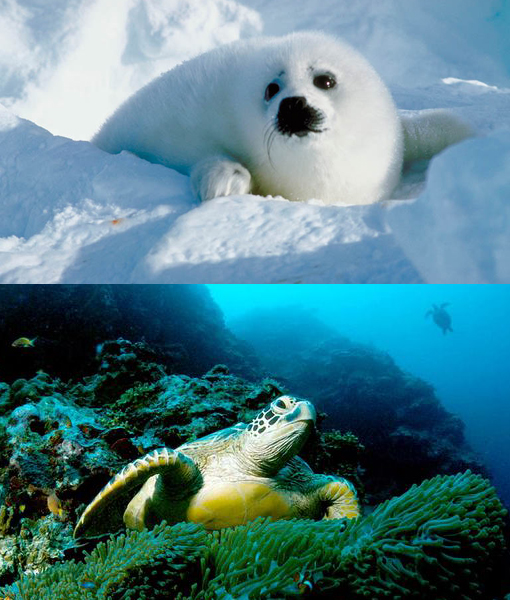
Green sea turtles, whose ancestors evolved on land and took to the sea to live about 150 million years ago, are one of the few species so ancient that they watched the dinosaurs evolve and become extinct.
(quote)
World's biodiversity crisis needs action, says UN. With species extinction running at about 1,000 times the "natural" or "background" rate, some biologists contend that we are in the middle of the Earth's sixth great extinction - the previous five stemming from natural events such as asteroid impacts.
The United Nations has launched the International Year of Biodiversity, warning that the ongoing loss of species around the world is affecting human well being. Eight years ago, governments pledged to reduce the rate of biodiversity loss by 2010, but the pledge will not be met.
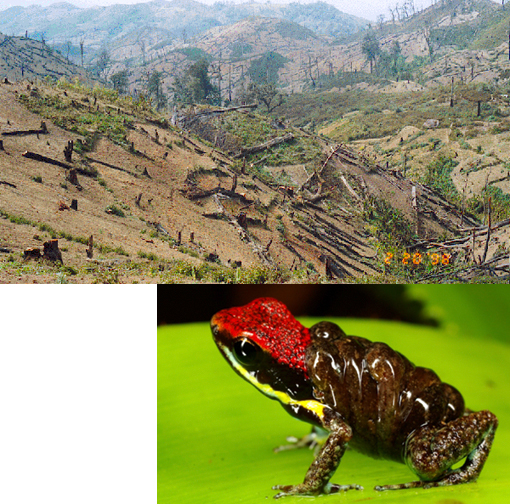
The expansion of human cities, farming and infrastructure is the main reason. Achim Steiner, executive director of the UN Environment Programme (UNEP), urged governments and their leaders to renew their commitment to curbing biodiversity loss even though the 2010 goal would be missed. The big opportunity during the International Year of Biodiversity is for governments to do for biodiversity what they failed to do for climate change in Copenhagen.
World 'to fail' on nature target, "the urgency of the situation demands that as a global community, we not only reverse the rate of loss, but that we stop the loss altogether and begin restoring the ecological infrastructure that has been damaged and degraded over the previous century or so," he said. The UN says that as natural systems such as forests and wetlands disappear, humanity loses the services they currently provide for free. These include purification of air and water, protection from extreme weather events and the provision of materials for shelter and fire.
With species extinction running at about 1,000 times the "natural" or "background" rate, some biologists contend that we are in the middle of the Earth's sixth great extinction - the previous five stemming from natural events such as asteroid impacts.
The International Year of Biodiversity (IYB) is a year-long celebration of biological diversity and its value for life on Earth, taking place around the world in 2010. Coinciding with the date of the 2010 Biodiversity Target, the year was declared by the 61st session of the United Nations General Assembly in 2006. The International Year of Biodiversity will help raise awareness of the importance of biodiversity all over the world. Saving biodiversity requires an effort from everyone. Through activities and events in many countries, the global community may work together to ensure a sustainable in the environmental view future for us all.
Biodiversity is the variation of life forms within a given ecosystem, biome, or for the entire Earth. Biodiversity is often used as a measure of the health of biological systems. The biodiversity found on Earth today consists of many millions of distinct biological species, which is the product of nearly 3.5 billion years of evolution. Biodiversity found on Earth today is the result of 4 billion years of evolution. Until approximately 600 million years ago, all life consisted of archaea, bacteria, protozoans and similar single-celled organisms.
Most biologists agree however that the period since the emergence of humans is part of a new mass extinction, the Holocene extinction event, caused primarily by the impact humans are having on the environment. It has been argued that the present rate of extinction is sufficient to eliminate most species on the planet Earth within 100 years.
New species are regularly discovered (on average between 5–10,000 new species each year, most of them insects) and many, though discovered, are not yet classified (estimates are that nearly 90% of all arthropods are not yet classified). Most of the terrestrial diversity is found in tropical forests.
The conference gives countries from all regions of the world, from Uganda to China, an opportunity to engage and contribute to this key international issue.
Secretary of State for the Environment Hilary Benn said: “2010 is the International Year of Biodiversity and we all need to recognize the importance of our fragile eco-systems. Many of the countries represented here share the most diverse eco-systems on the planet and their involvement is vital to achieving the targets we’ll set ourselves later in the year.
“A real challenge is for all countries to realize the true economic value of biodiversity and the financial costs we will face if we continue to destroy and undervalue our natural resources. The protection and restoration of ecosystems is a sensible and cost-effective investment in this planet’s economic survival and growth.”
The joint UK/ Brazil conference will ensure that all countries are involved in early informal discussions around the direction for the global biodiversity targets and issues ahead of a key Conference of the Parties being held in Nagoya, Japan in October – where a new global biodiversity target is set to be agreed.
Since 1992 the world has seen considerable biodiversity loss. The Millennium Ecosystem Assessment told us that 60% of our ecosystems are being degraded or used unsustainably. For example, experts believe that 19% of coral reefs have been lost since 1950 and the Millennium Ecosystem Assessment tells us that in South east Asia 80% of corals that are under medium to high threat, and these reefs are also the richest in biodiversity. We must work together to do all that we can to prevent further damage, particularly as many ecosystems are also being irreversibly changed by climate change.
Although there has been progress in many areas of biodiversity conservation, it is increasingly recognized that international biodiversity targets set in 2002 will be missed later this year at the global level. This makes it even more important that the new targets are ambitious and achievable.
List of 193 Parties (168 Signatures) - Convention on Biological Diversity
1 Afghanistan 6/12/1992
2 Albania
3 Algeria 6/13/1992
Andorra
4 Angola 6/12/1992
5 Antigua and Barbuda 6/5/1992
6 Argentina 6/12/1992
7 Armenia 6/13/1992
8 Australia 6/5/1992
9 Austria 6/13/1992
10 Azerbaijan 6/12/1992
11 Bahamas 6/12/1992
12 Bahrain 6/9/1992
13 Bangladesh 6/5/1992
14 Barbados 6/12/1992
15 Belarus 6/11/1992
16 Belgium 6/5/1992
17 Belize 6/13/1992
18 Benin 6/13/1992
19 Bhutan 6/11/1992
20 Bolivia 6/13/1992
21 Bosnia and Herzegovina
22 Botswana 6/8/1992
23 Brazil 6/5/1992
24 Brunei Darussalam
25 Bulgaria 6/12/1992
26 Burkina Faso 6/12/1992
27 Burundi 6/11/1992
28 Cambodia
29 Cameroon 6/14/1992
30 Canada 6/11/1992
31 Cape Verde 6/12/1992
32 Central African Republic 6/13/1992
33 Chad 6/12/1992
34 Chile 6/13/1992
35 China 6/11/1992
36 Colombia 6/12/1992
37 Comoros 6/11/1992
38 Congo 6/11/1992
39 Cook Islands 6/12/1992
40 Costa Rica 6/13/1992
41 Côte d'Ivoire 6/10/1992
42 Croatia 6/11/1992
43 Cuba 6/12/1992
44 Cyprus 6/12/1992
45 Czech Republic 6/4/1993
46 Democratic People's Republic of Korea 6/11/1992
47 Democratic Republic of the Congo 6/11/1992
48 Denmark 6/12/1992
49 Djibouti 6/13/1992
50 Dominica
51 Dominican Republic 6/13/1992
52 Ecuador 6/9/1992
53 Egypt 6/9/1992
54 El Salvador 6/13/1992
55 Equatorial Guinea
56 Eritrea
57 Estonia 6/12/1992
58 Ethiopia 6/10/1992
59 European Community 6/13/1992
60 Fiji 10/9/1992
61 Finland 6/5/1992
62 France 6/13/1992
63 Gabon 6/12/1992
64 Gambia 6/12/1992
65 Georgia
66 Germany 6/12/1992
67 Ghana 6/12/1992
68 Greece 6/12/1992
69 Grenada 12/3/1992
70 Guatemala 6/13/1992
71 Guinea 6/12/1992
72 Guinea-Bissau 6/12/1992
73 Guyana 6/13/1992
74 Haiti 6/13/1992
Holy See
75 Honduras 6/13/1992
76 Hungary 6/13/1992
77 Iceland 6/10/1992
78 India 6/5/1992
79 Indonesia 6/5/1992
80 Iran (Islamic Republic of) 6/14/1992
81 Iraq
82 Ireland 6/13/1992
83 Israel 6/11/1992
84 Italy 6/5/1992
85 Jamaica 6/11/1992
86 Japan 6/13/1992
87 Jordan 6/11/1992
88 Kazakhstan 6/9/1992
89 Kenya 6/11/1992
90 Kiribati
91 Kuwait 6/9/1992
92 Kyrgyzstan
93 Lao People's Democratic Republic
94 Latvia 6/11/1992
95 Lebanon 6/12/1992
96 Lesotho 6/11/1992
97 Liberia 6/12/1992
98 Libyan Arab Jamahiriya 6/29/1992
99 Liechtenstein 6/5/1992
100 Lithuania 6/11/1992
101 Luxembourg 6/9/1992
102 Madagascar 6/8/1992
103 Malawi 6/10/1992
104 Malaysia 6/12/1992
105 Maldives 6/12/1992
106 Mali 9/30/1992
107 Malta 6/12/1992
108 Marshall Islands 6/12/1992
109 Mauritania 6/12/1992
110 Mauritius 6/10/1992
111 Mexico 6/13/1992
112 Micronesia (Federated States of) 6/12/1992
113 Monaco 6/11/1992
114 Mongolia 6/12/1992
115 Montenegro
116 Morocco 6/13/1992
117 Mozambique 6/12/1992
118 Myanmar 6/11/1992
119 Namibia 6/12/1992
120 Nauru 6/5/1992
121 Nepal 6/12/1992
122 Netherlands 6/5/1992
123 New Zealand 6/12/1992
124 Nicaragua 6/13/1992
125 Niger 6/11/1992
126 Nigeria 6/13/1992
127 Niue
128 Norway 6/9/1992
129 Oman 6/10/1992
130 Pakistan 6/5/1992
131 Palau
132 Panama 6/13/1992
133 Papua New Guinea 6/13/1992
134 Paraguay 6/12/1992
135 Peru 6/12/1992
136 Philippines 6/12/1992
137 Poland 6/5/1992
138 Portugal 6/13/1992
139 Qatar 6/11/1992
140 Republic of Korea 6/13/1992
141 Republic of Moldova 6/5/1992
142 Romania 6/5/1992
143 Russian Federation 6/13/1992
144 Rwanda 6/10/1992
145 Saint Kitts and Nevis 6/12/1992
146 Saint Lucia
147 Saint Vincent and the Grenadines
148 Samoa 6/12/1992
149 San Marino 6/10/1992
150 Sao Tome and Principe 6/12/1992
151 Saudi Arabia
152 Senegal 6/13/1992
153 Serbia 6/8/1992
154 Seychelles 6/10/1992
155 Sierra Leone
156 Singapore 6/12/1992
157 Slovakia 5/19/1993
158 Slovenia 6/13/1992
159 Solomon Islands 6/13/1992
160 Somalia
161 South Africa 6/4/1993
162 Spain 6/13/1992
163 Sri Lanka 6/10/1992
164 Sudan 6/9/1992
165 Suriname 6/13/1992
166 Swaziland 6/12/1992
167 Sweden 6/8/1992
168 Switzerland 6/12/1992
169 Syrian Arab Republic 5/3/1993
170 Tajikistan
171 Thailand 6/12/1992
172 The former Yugoslav Republic of Macedonia
173 Timor-Leste
174 Togo 6/12/1992
175 Tonga
176 Trinidad and Tobago 6/11/1992
177 Tunisia 6/13/1992
178 Turkey 6/11/1992
179 Turkmenistan
180 Tuvalu 6/8/1992
181 Uganda 6/12/1992
182 Ukraine 6/11/1992
183 United Arab Emirates 6/11/1992
184 United Kingdom of Great Britain and Northern Ireland 6/12/1992
185 United Republic of Tanzania 6/12/1992
United States of America 6/4/1993
186 Uruguay 6/9/1992
187 Uzbekistan
188 Vanuatu 6/9/1992
189 Venezuela 6/12/1992
190 Viet Nam 5/28/1993
191 Yemen 6/12/1992
192 Zambia 6/11/1992
193 Zimbabwe 6/12/1992
Since 1992 the world has seen considerable biodiversity loss. The Millennium Ecosystem Assessment told us that 60% of our ecosystems are being degraded or used unsustainably. For example, experts believe that 19% of coral reefs have been lost since 1950 and the Millennium Ecosystem Assessment tells us that in South east Asia 80% of corals that are under medium to high threat, and these reefs are also the richest in biodiversity. We must work together to do all that we can to prevent further damage, particularly as many ecosystems are also being irreversibly changed by climate change.
(unquote)
Photos courtesy of Wikipedia, World Animal Foundation, Tim Laman, University of Minnesota Library, and Bejat McCracken


Contact Us

RSS feed


